


Batteries don’t belong in any bin
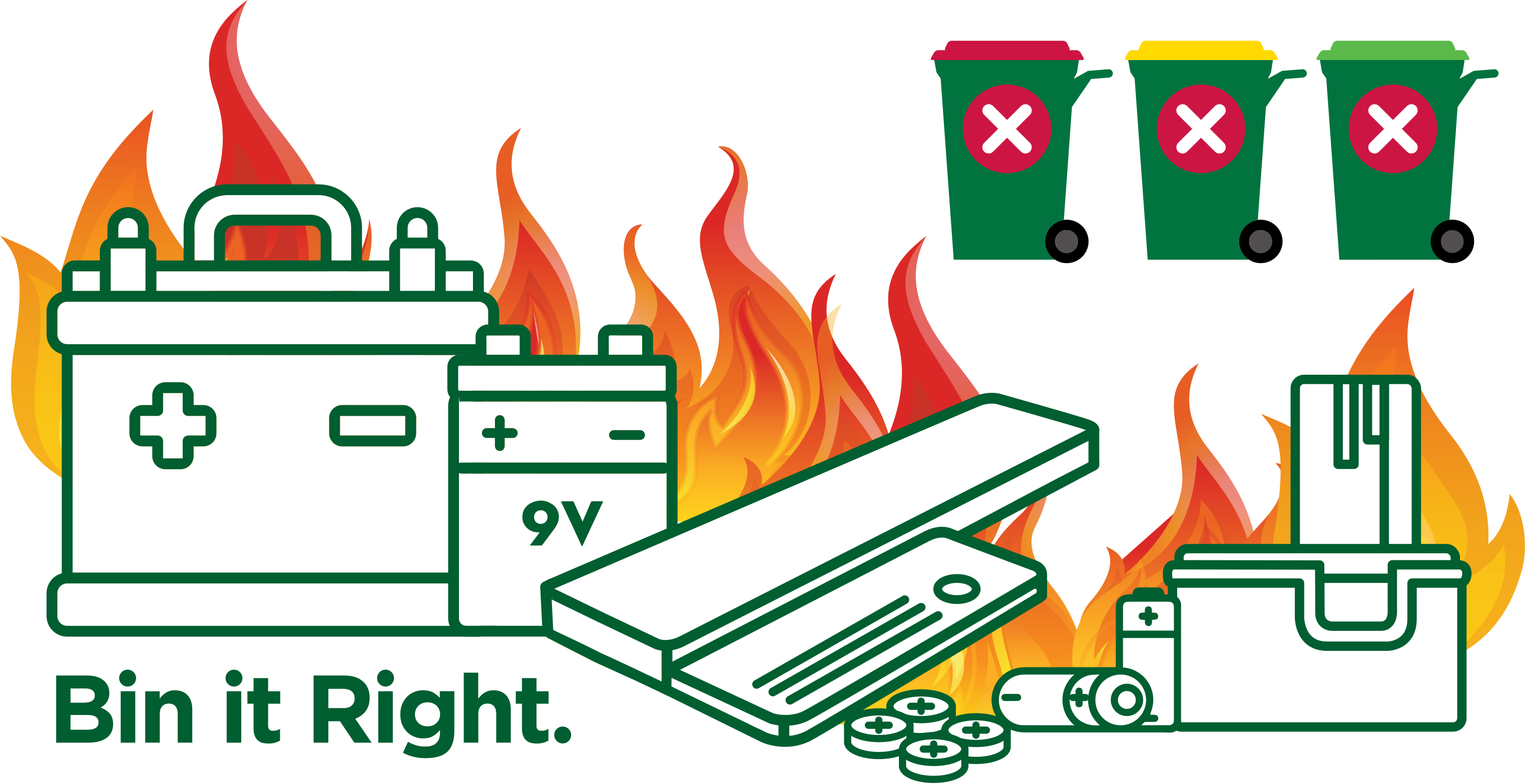
Improperly disposing of batteries in household bins poses a significant fire risk. When crushed or punctured in collection vehicles or at waste facilities, batteries – especially lithium-ion types – ignite. These fires spread rapidly, endangering workers, damaging equipment and disrupting essential recycling and waste services. Even small household batteries can cause major incidents.
To keep our community safe, batteries must never be placed in the red, yellow or green kerbside bin, or put out for hard waste collection.
How to dispose of batteries responsibly
Residents can safely recycle batteries through the following options:
Household battery recycling drop-off locations
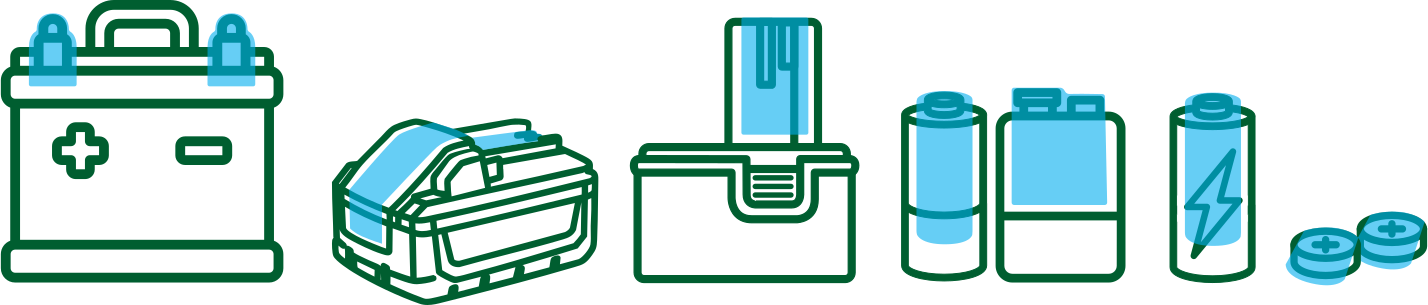
Most supermarkets, hardware stores and electronics retailers have a dedicated bin for customers to dispose of common household batteries, including AA, AAA, button cells, rechargeable batteries and power tool batteries. These services are free for residents – see www.bcycle.com.au for more information.
The following battery and embedded battery items can be taken to the Hazardous Waste Depot at NAWMA’s Edinburgh North Resource Recovery Centre for safe disposal:
- Loose batteries – tape the terminals before disposing
- Leaking batteries – put in a plastic or metal container, fill with sand, and close the lid – please call first to ensure facility is able to accept on this day.
- Car batteries
- Small devices with batteries contained in them (‘embedded batteries’)
- Bluetooth speakers and headphones
- Electric toothbrushes
- Vapes and e-cigarettes
- Personal care devices (i.e. shavers and massagers)
- Wearable devices (i.e. smart watches, trackers and medical aids)
- Powerpacks and portable charging devices
- Remote control toys (if small)
- Flashing / light up toys (i.e. wands or other hard plastic products)
- Light up shoes
- Vacuum cleaners if small or can separate out the battery part and fit in the box (i.e. cordless, hand-held and robotic).
- E-bike batteries (not the frame)
- Hoverboards, e-scooters and ride-on toys
Not accepted:
- Industrial and commercial batteries or embedded battery items
- Larger items containing embedded batteries, which are over 20kg or too large to fit into the fire-safe battery bins:
- E-bikes
- Mobility scooters
- Large vacuum cleaners or toys
Please return large items containing embedded batteries to the manufacturer for responsible disposal. Alternately, contact Cleanaway for disposal options.
Alternative disposal locations
For other household chemical drop-off locations, please refer to the Green Industries SA website.
Other e-waste can also be disposed of at sites with ‘Unplug ‘n’ Drop facilities’:
- The Good Guys (TV’s and Computers only)
- Bunnings (all small to medium e-waste, excluding batteries)
Please check with your local Bunnings before taking your items as not all stores are currently providing this service. - For large items, take to Electronic Recycling Australia in Ottoway.